
The Parable of the Wheat and the Tares – Authenticity in Faith.
The Parable of the Wheat and Tares is found in the Matthew 13. Stephen March continues his Parables series with an explanation of the passage.
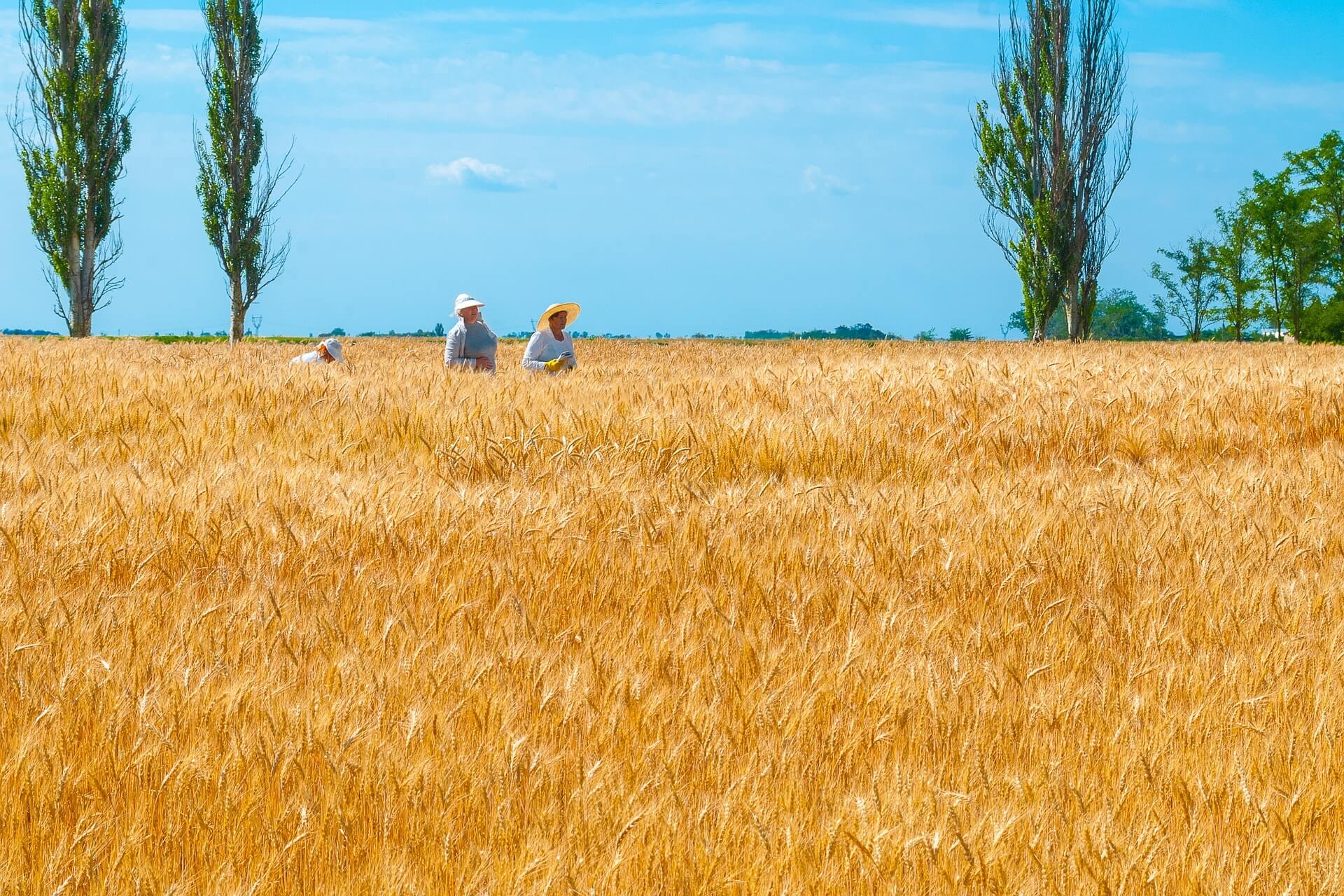
An Agricultural Parable.
As we continue on through our look at the parables of Jesus, we come to another one that is rooted in the realm of agriculture. After Jesus explained the parable of the sower to his disciples, he turned his attention back to the crowds that had gathered, and shared this teaching about the kingdom of heaven, found in Matthew 13:24,
He put another parable before them saying, “The kingdom of heaven may be compared to a man who sowed good seed in his field, but while his men were sleeping, his enemy came and sowed weeds among the wheat and went away. So when the plants came up and bore grain, then the weeds appeared also. And the servants of the master of the house came and said to him, ‘Master, did you not sow good seed in your field? How then does it have weeds?’ He said to them, ‘An enemy has done this.’ So the servants said to him, ‘Then do you want us to go and gather them?’ But he said, ‘No, lest in gathering the weeds you root up the wheat along with them. Let both grow together until the harvest, and at harvest time I will tell the reapers, Gather the weeds first and bind them in bundles to be burned, but gather the wheat into my barn.’”
Matthew 13:24-30
First of the Kingdom Parables
This is the first of a series of “Kingdom” parables that Jesus gives at this time. We will look at some of the others collectively in the next episode, but this one is significant enough to focus on by itself. The first thing to consider is what is meant when Jesus uses the phrase, “The kingdom of heaven.” He uses the term a lot in the gospel of Matthew, and several times in chapter 13 alone. Not only that, but each time seems to indicate a different meaning behind the phrase. So what does it mean?
The Kingdom of Heaven
The kingdom of heaven is a reference to any place where God’s sovereign rule and authority is acknowledged. This idea in itself is very broad, as it can include this acknowledgement on the individual level or in a large group, such as the church or even a nation. It can also refer to a time and place, such as the physical thousand year kingdom that Jesus will establish when he returns, or even heaven itself, in the spiritual realm.
So when we look at these kingdom parables, we do so with the understanding that there is a specific aspect of the kingdom of heaven that Jesus wants to teach us about, so that we can be a part of the kingdom, now as individuals and members of his church, and in that day when he calls all believers to live with him forever in heaven. That is a lot to take in, which is why Jesus uses these comparisons, these parables, to make it easier for us to understand.
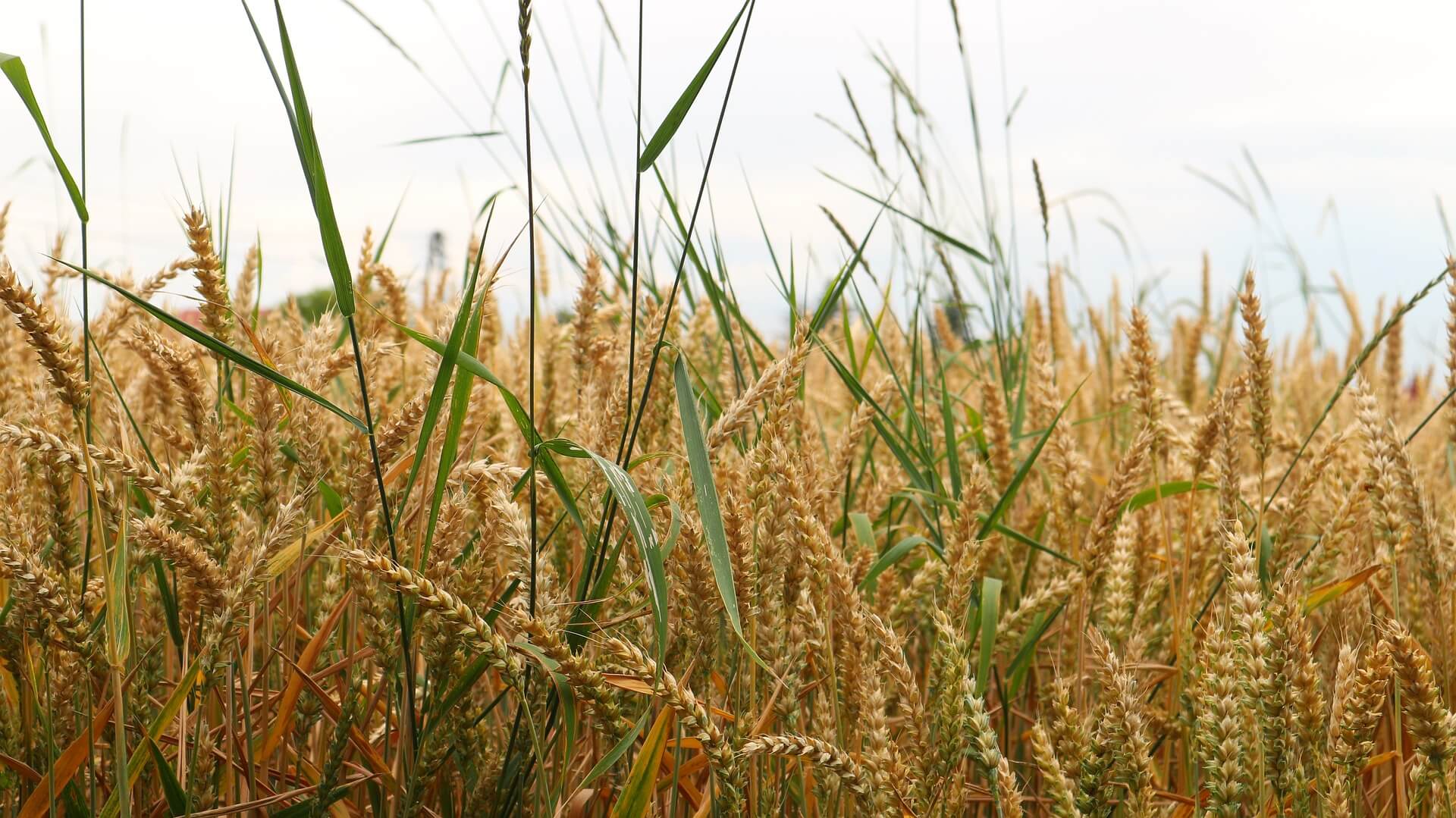
The Parable of the Wheat and the Tares and the Kingdom of Heaven
The parable of the wheat and the weeds that we’re looking at now, touches on a few aspects of the kingdom. It looks forward to the time of Christ’s return and the entrance into that heavenly kingdom, with a distinct focus on the time of preparation for that kingdom. And to help us out even further, this is another parable that we have an explanation for from Jesus.
The Explanation
After he left the crowds, he said to his disciples, “The one who sows the good seed is the Son of Man. The field is the world, and the good seed is the sons of the kingdom. The weeds are the sons of the evil one, and the enemy who sowed them is the devil. The harvest is the end of the age, and the reapers are angels. Just as the weeds are gathered and burned with fire, so will it be at the end of the age. The Son of Man will send his angels, and they will gather out of his kingdom all causes of sin and all law-breakers, and throw them into the fiery furnace. In that place there will be weeping and gnashing of teeth. Then the righteous will shine like the sun in the kingdom of their Father. He who has ears, let him hear.”
Jesus is the Sower
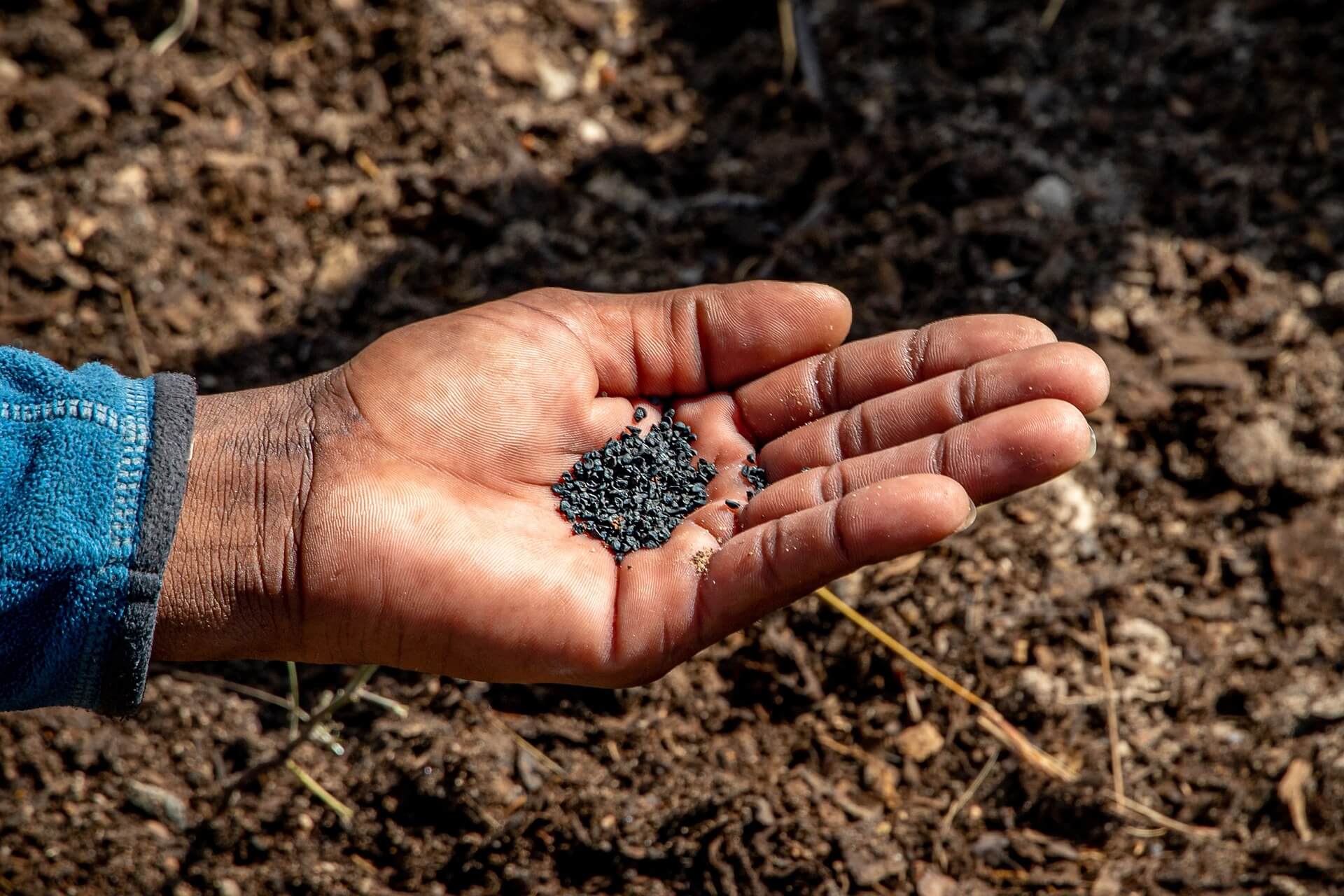
Immediately we see that Jesus is the one represented by the sower. This of course is consistent with his previous parable. This time the seed, or the good seed, is a picture of those who accepted his lordship, essentially those who made up the good soil, those who believe in him and follow him. It is those who are part of the church, part of the kingdom.
Then there are the weeds, or tares in some translations, that have been placed by the devil, Satan, the enemy of God. And the field is the world, this is the important part for the first of the teaching, because it lets us know that Jesus is dealing with the present time. He is not yet speaking of the coming physical kingdom, or the spiritual heaven. So, that the good seed and the bad seed occupy the same time and space is understood to be a picture of how even today we have those who acknowledge the authority of Christ, and those who don’t, even those who oppose his rulership.
Clarification of Terminology
Now, I do want to clarify the terminology that I just used, that being good seed versus bad seed. I am not using that in relation to the quality of anyone’s character, but rather just to differentiate between the seed in the context of the parable that produced wheat, and that which produced the weeds, or tares. In fact, it’s very likely that the weeds in the parable are what is identified as the darnel plant.
Darnel, sometimes called false wheat, was a problem because it was almost indistinguishable from real wheat. It really wasn’t until harvest time that it became easier to tell the two grains apart. This is why the sower said to leave them growing until the harvest, so they could be sure that no real wheat would be lost in the separation process. So, as we apply this idea to what the parable is saying about the kingdom, we start by acknowledging that those who will enter the kingdom, are those who have accepted the authority, or kingship, of Jesus Christ.
Believers
We often refer to these people as believers in Jesus Christ, they are those who have recognized their sin and capacity to sin, and have trusted in Jesus’ death on the cross as the full payment to God for the penalty of our sin. The Bible teaches that when a person puts their faith in Jesus Christ, not only are their sins forgiven, and their souls washed clean, but we receive the gift of the Holy Spirit.
As we continue to live our lives as best we can according to God’s ways, the Holy Spirit produces “fruit” in us. The Bible identifies this fruit of the Spirit in Galatians 5:22 as “love, joy, peace, patience, kindness, goodness, faithfulness, gentleness, and self-control.” And while no Christian is perfect in any of these areas, the closer we follow Christ’s example, the more of these attributes will be displayed in our character, and not for our benefit or glory, but to the benefit of those around us, and the glory of God.

Shining Lights
Jesus had told his disciples to “let their light shine before others, so that they might see your good works, and give glory to your Father in heaven.” This is the purpose of our good works, to bring glory to God, we can only do that if we first believe in Him through Jesus, and are offering our works as an act of worship from hearts that have been purified by Jesus work on the cross.
This is a critical point of what the Bible teaches, that our good deeds are not what gives us entry into the kingdom of heaven, only faith in Jesus, his sacrificial death and resurrection can do that. Our works, or “fruit” is what should identify as followers of Christ, they are the result of our belief. Like the wheat in the parable, when it reaches maturity, the grain is produced, and by the grain the harvesters are able to identify it as true.
Good Living Unbelievers
So then, what about those who live good lives, who do good things, but don’t believe in Jesus. There are a lot of people that fall into this category. There are even some that can be found among church populations. Again, the Bible tells us that no one is without sin. Romans 3:23 tells us that
“all have sinned and fall short of the glory of God.”
Romans 3:23
So, while the works may look identical to those being done by a Christian, they are coming from a heart that has not been cleansed from sin. The darnel grain, may look very similar to the wheat grain, but it is poisonous to eat, it’s fruit is of no value. Our good deeds cannot save us from our sin, only faith in Jesus, and what he did to take away our sin can do that.
One Last Thing About the Parable of the Wheat and the Tares
One last thing from the parable, Jesus said that at the harvest time, the sower would send the reapers into the fields, not the servants that he was speaking to. In his explanation, Jesus identifies the reapers as the angels of heaven. What’s the lesson here? It’s not for me, you, or any other person to determine or judge who is or isn’t saved? We may have inklings, maybe even knowledge based on whether a person tells they believe or don’t believe.
Ultimately, we can never know for sure, we can only take care of our own hearts, because we can’t know the hearts of others. God does though, and that’s the other part of this teaching, is that while a person may be able to fool those around them, they can’t fool God. He knows if a person is truly relying on faith in Jesus to save them from their sins, or if they are relying on their good works. God is very clear, in order to enter the kingdom of heaven, you must submit to the rule and authority of the King.
Jesus said in Mathew 7,
Not everyone who says to me Lord, Lord, will enter into the kingdom of heaven, but the one who does the will of my Father in heaven.
In John 6 Jesus adds clarity to this by saying “This is the will of my Father – for everyone who looks on the Son and believes in him to have eternal life” This is the only pre-requisite for entrance into heaven, belief in the Son of God, Jesus Christ.

What do you think about the Parable of the Wheat and the Tares? We would love to hear from you. Comment below or contact us at HopeStreamRadio.
Stephen March

Stephen March is the President of FBH International and HopeStreamRadio. He graduated from the Broadcasting Program at Niagara College in 2001, and has previously worked in television production and post-production.
Stephen lives in St. Catharines, Ontario, with his wife Corinne and their four children.
Read and hear more from Stephen March on his contributor’s page. Stephen currently has 5 Programs on HopeStreamRadio:
- Please Forgive Me
- Isolation Chronicles
- Faith By Hearing – The Twelve
- Bibles and Baseball
- Bible Tech Talk
More Podcasts Below:
More Blogs:
Palm Sunday, The Coming King, and the Last Week of Christ
Why Did Jesus Say “I Am the Bread of Life
Images courtesy of:
Wheat field – voffka1966
Wheat and weeds – FotoKacper
Seeds/sower – Ivko
Boy with light – sasint
Leave a Reply